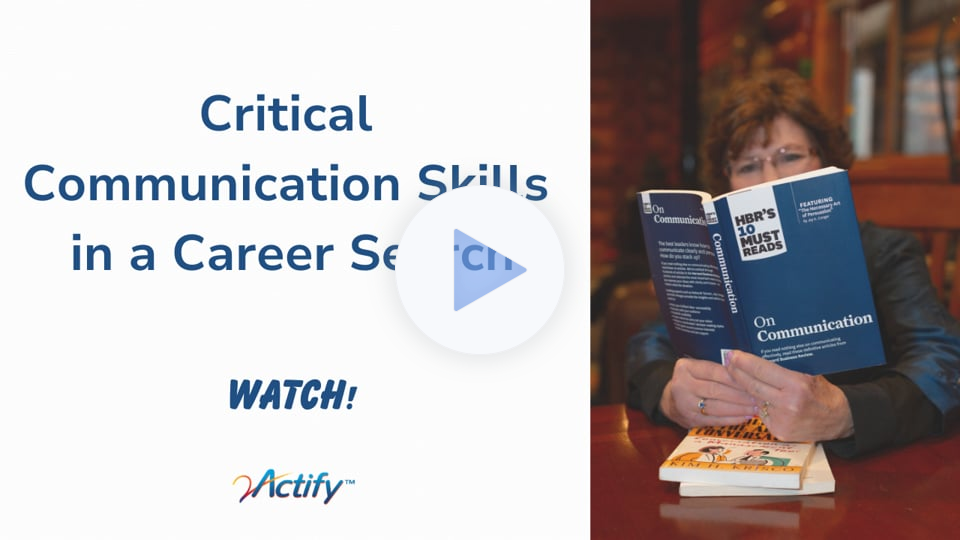
Technical skills might get you in the door, but communication determines how far you'll walk through it.
Can you articulate ideas, build consensus, and navigate complex conversations with finesse?
WHEN THIS TECHNOLOGY LEADER COMMITTED TO CHANGE, THIS HAPPENED...
My client, a technology leader has made a change. He’s a bit more serious and intentional and focused on reaching his career destination --- committed to developing his communication
talent.
It’s working.
COMMUNICATION: THE CAREER MULTIPLIER
YOU CAN'T AFFORD TO IGNORE
In our most recent session together, we were focused on preparing for an interview, he showed how serious he was about his communication.
We were on a video call, no distractions in the background, he was prepared and dressed for the interview practice. His eye contact was consistently right where it needed to be.
In our practice session, he listened when I told him how his comments landed with me (interviewers won’t share that).
He made the adjustments.
In his responses to my questions, I “heard” how he was thinking. And this is critical to what a hiring manager is trying to find out during an interview!
He went beyond his technical abilities.
I “heard” how he communicates,
evaluates, takes risks, collaborates, and mentors his teams.
I felt his leadership and his style.
He invests in developing this skill---taking courses, reading, and investing in guidance by working with a coach, specifically on his
communication skills development.
WHAT HAPPENED AFTER HIS INTERVIEW?
After the interview, he reported that he progressed to the next step for an interview with the hiring manager.
Results speak for themselves…I believe he has changed forever.
Technical skills might get you in the
door, but communication determines how far you'll walk through it. Can you articulate ideas, build consensus, and navigate complex conversations with finesse?
WHEN QUESTIONS BECOME YOUR SUPERPOWER
The best communicators know
that asking open-ended questions demonstrate strategic intelligence.
In meetings, asking "Can you help me understand the
reasoning behind this approach?" shows engagement, not ignorance.
During interviews, questions such as, "What would success
look like in this role six months in?" demonstrates forward-thinking and curiosity for building bridges ensures clarity.
THE FRAMEWORK THAT CHANGES EVERYTHING
Structured communication is respectful of everyone's time and mental energy with the goal of both parties getting value. Make every communication and every networking opportunity matter and you will develop positive career
activity!
HERE'S WHAT WORKS...
Positioning: Start with knowing the context of the meeting and the desired outcome (know what you want to have happen before you begin!).
1. Be clear about what you need from the conversation upfront.
2. Present information logically, leading with main points rather than burying them for later.
3. Create space for dialogue by actively listening and acknowledging different perspectives.
4. End with clear next steps and ownership to move projects forward and build the kind of professional relationships that opens unexpected doors.
5. Carry the conversation or interview forward to the next steps:
At the end of the conversation,
you can ask,
“Who in your network would benefit from my expertise?”
At the end of the interview, you can ask,
“How do you feel about my candidacy for this position?”
Because, What happens next is important to know before you "leave the room".
Interview practice is a good investment. You've worked so hard to get there, give it 100%. Whatever you learn in a practice session will become part of your foundation forever.